Spring Holiday Graphics for Branding and Marketing
First Impressions: A Fresh and Festive Visual Statement
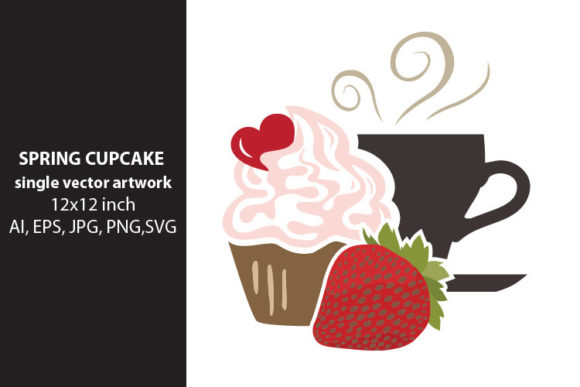
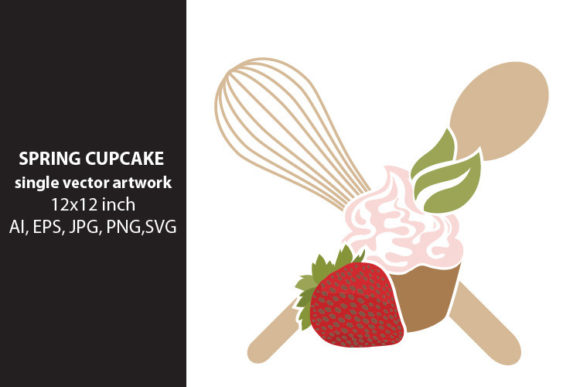
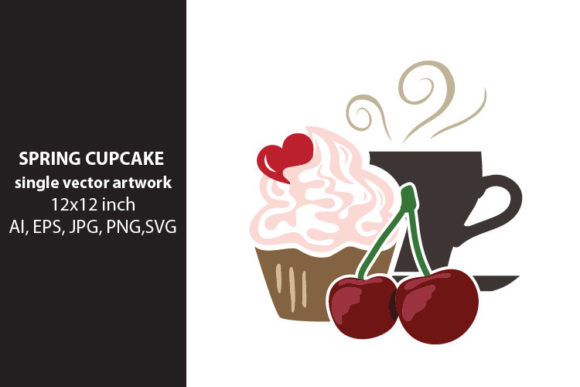
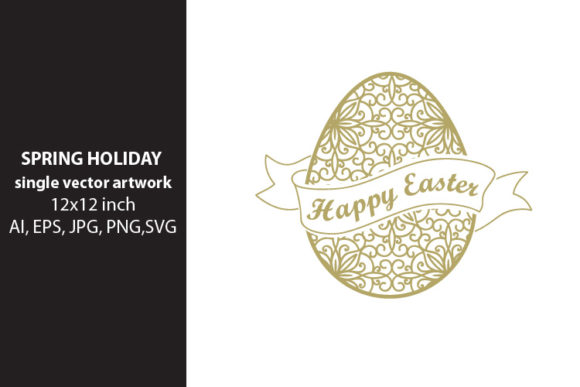
The spring holiday graphic design asset immediately evokes a sense of renewal, joy, and celebration. Its soft, pastel tones and delicate floral elements create a warm yet sophisticated mood that's perfect for seasonal campaigns or brand refreshes. This illustration feels versatile enough to support both casual and premium branding, making it an excellent choice for small businesses looking to elevate their visual presence without overcomplicating their design language.
Visual Consistency and Brand Identity
When integrated into a brand’s identity, the spring holiday graphic can serve as a consistent visual element across multiple touchpoints. Whether used in logo design, packaging, or social media graphics, its clean lines and harmonious color palette help reinforce brand recognition. The SVG design format ensures scalability, allowing it to maintain clarity at any size—ideal for everything from website headers to printed materials.
Supporting Marketing Campaigns with Spring Holiday
Imagine a local boutique launching a spring collection. The spring holiday graphic could be the centerpiece of their campaign visuals, appearing on Instagram posts, Facebook ads, and email banners. Its gentle illustration style aligns well with lifestyle and handmade product marketing, helping to build trust and emotional connection with the audience. It also works seamlessly with editorial design, providing a cohesive look for blog graphics and content kits.
Where Spring Holiday Shines: Key Marketing Applications
- Hero Graphics: The spring holiday illustration is ideal for large banners or hero sections where visual impact matters most.
- Campaign Headers: Its clean design makes it a great fit for campaign headers, especially in digital ads and Canva templates.
- Product Launch Visuals: When paired with a brand’s color scheme, the spring holiday graphic can enhance product launch visuals, adding a touch of elegance to product labels and packaging.
- Social Media Covers: The spring holiday illustration’s versatility allows it to work well on social media covers, especially for Pinterest and Instagram.
- Branded Templates: As a digital product, it can be incorporated into branded templates, offering users a ready-to-use design asset for various marketing needs.
- Promotional Banners: With its festive tone, the spring holiday graphic is perfect for promotional banners, whether for seasonal offers or limited-time events.
Limitations and Considerations
While the spring holiday graphic is highly adaptable, it should be used carefully in certain contexts. For example, it may not be the best choice for formal corporate branding due to its more playful and decorative nature. Similarly, it might struggle in dense information layouts or text-heavy ads where clarity is key. Always ensure the spring holiday graphic doesn’t overshadow the main message in any design.
Practical Design Notes for Brand Creators
Before using the spring holiday graphic in a real campaign, consider these practical tips:
- Test with Brand Colors: Ensure the illustration complements your brand’s existing color palette.
- Check Black and White Usage: Verify that the spring holiday graphic maintains its visual appeal in monochrome settings.
- Preview on Mobile: Test how the spring holiday graphic looks on mobile screens, especially when used in social media graphics or digital ads.
- Compare with Competitors: Analyze how the spring holiday graphic stacks up against similar assets in your industry.
- Confirm Licensing: Always verify that you have the appropriate commercial license before using the spring holiday graphic in paid campaigns or client work.
Conclusion: A Versatile Graphic Asset for Modern Marketers
The spring holiday graphic design asset is a valuable addition to any designer’s toolkit. Its ability to support a wide range of marketing applications—from social media graphics to packaging design—makes it a strong contender for small business branding and content marketing. By understanding its strengths and limitations, designers can confidently integrate it into their workflow, ensuring consistent, engaging, and professional visuals that resonate with the target audience.